
Documentation That Supports Your Claim Process
Insurance Claims Assistance in Madison Heights for property owners managing tree-related damage after severe weather events
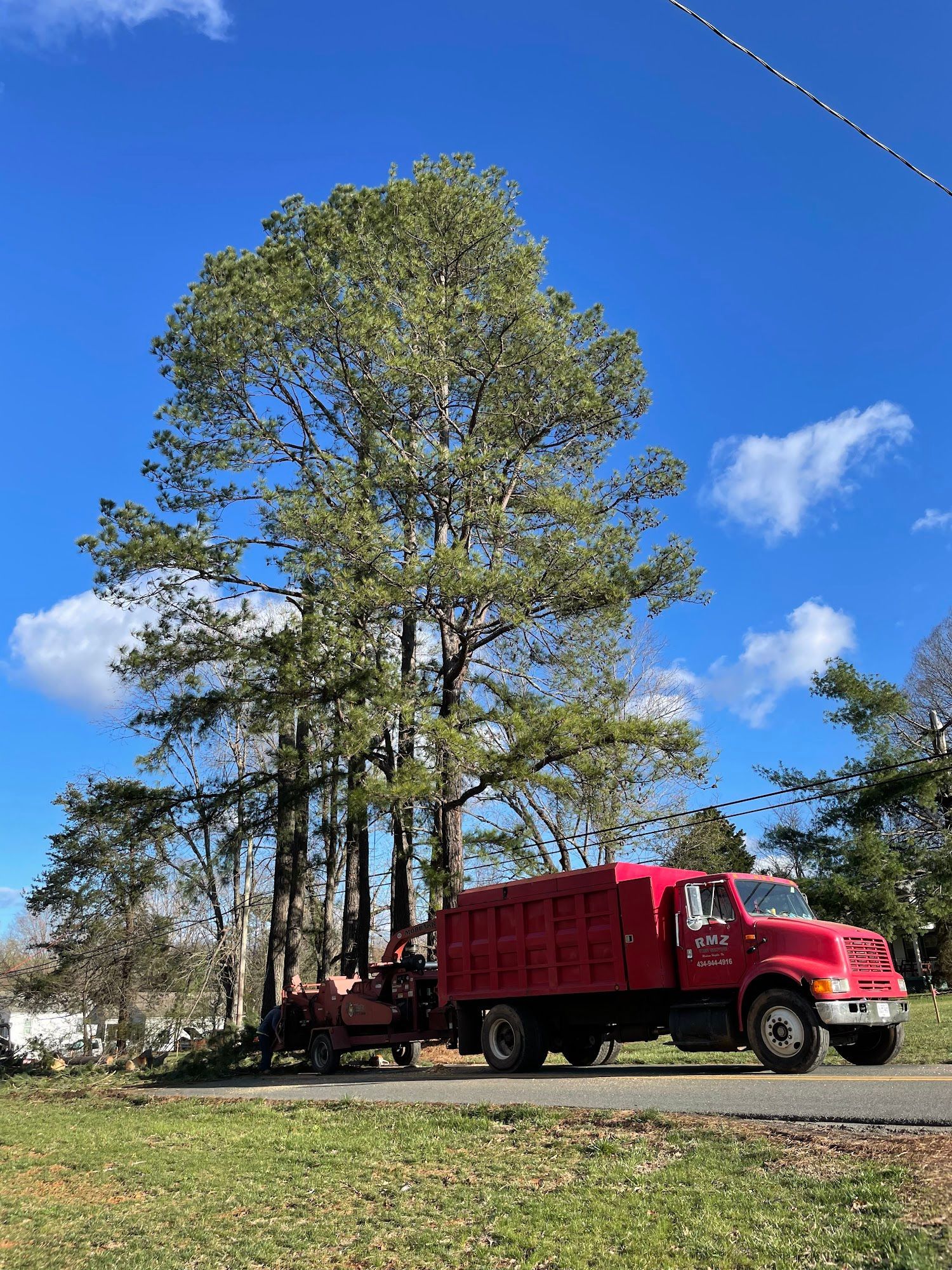
Storm-damaged trees create a dual challenge: immediate safety hazards and the administrative burden of filing an insurance claim with accurate documentation and realistic cost estimates. Property owners in Madison Heights contact RMZ Tree Service LCC after storms to document tree damage, provide detailed removal estimates, and complete hazardous tree removal once claims are approved. The goal is to support the claims process with clear, factual information while addressing urgent safety concerns that can't wait for adjuster approval.
Assistance includes photographing damage, describing the scope of required work, and preparing estimates that outline removal costs, debris hauling, and any necessary stump grinding or site cleanup. This documentation helps adjusters understand the extent of damage and the work required to restore property safety and function.
Contact RMZ Tree Service LCC immediately after storm damage occurs to begin the documentation process and schedule removal once your claim is reviewed.
How Claims Assistance Reduces Post-Storm Stress
Detailed estimates and photographic documentation provide the evidence insurers require to evaluate claims efficiently. RMZ Tree Service LCC describes the damage in terms adjusters recognize—specifying tree diameter, failure type, proximity to structures, and removal complexity—which helps avoid delays caused by incomplete or unclear submissions. The service bridges the gap between urgent tree removal needs and the administrative timeline of insurance approvals.
Once the claim is approved, you'll see hazardous trees removed promptly, debris cleared from structures and access routes, and the property returned to a safe, usable condition without prolonged negotiation over scope or costs. Documentation created during the initial assessment supports the claim throughout the review process, and removal work proceeds on a timeline that aligns with adjuster schedules and weather windows. Properties in Madison Heights frequently experience storm damage from high winds, ice accumulation, and saturated soils that destabilize root systems, making rapid response and clear communication with insurers essential.
The team works efficiently to remove approved trees and debris, minimizing the period during which your property remains unsafe or inaccessible. Coordination with property owners ensures removal priorities align with both insurance requirements and practical safety concerns, especially when multiple trees are damaged in a single event.
Answers to Insurance and Storm Damage Questions
Navigating insurance claims while managing storm damage creates practical questions about timing, documentation, and what gets covered. Below are the most common concerns property owners raise after severe weather.
What information do insurers need for tree damage claims?
Adjusters typically require photographs of the damaged tree and affected property, a written estimate detailing removal scope and costs, and a description of how the damage occurred. Clear documentation of tree size, failure type, and proximity to structures helps support the claim.
Can tree removal begin before the claim is approved?
Emergency removal of trees posing immediate hazards—such as those resting on structures or blocking exits—can often proceed before full claim approval, though you should confirm this with your insurer. Non-urgent cleanup typically waits for adjuster review to ensure covered work aligns with policy terms.
What tree damage is typically covered by homeowners insurance?
Policies generally cover trees that fall due to storm events like wind, lightning, or ice, especially if they damage insured structures. Trees that fail due to neglect, disease, or lack of maintenance may not be covered, and preventive removal usually falls outside policy scope.
How long does the claims process take?
Timelines vary based on insurer responsiveness, damage complexity, and the volume of claims following widespread storms. Most claims are reviewed within days to weeks, though large-scale weather events can extend the process as adjusters manage high call volumes across affected areas.
Does insurance cover stump grinding and full cleanup?
Coverage depends on your policy and the nature of the damage. Some policies cover only the immediate hazard removal, while others include stump grinding and complete debris hauling. Reviewing your policy details with your insurer clarifies what expenses are reimbursable.
RMZ Tree Service LCC helps property owners throughout Madison Heights navigate tree-related insurance claims following storm damage, providing documentation and efficient removal once approval is secured. Call (434) 944-4916 after storm events to begin the assessment and documentation process that supports your claim and restores property safety.