
Reducing Storm Damage Before It Happens
Tree Trimming in Madison Heights for properties with overgrown branches threatening roofs and power lines
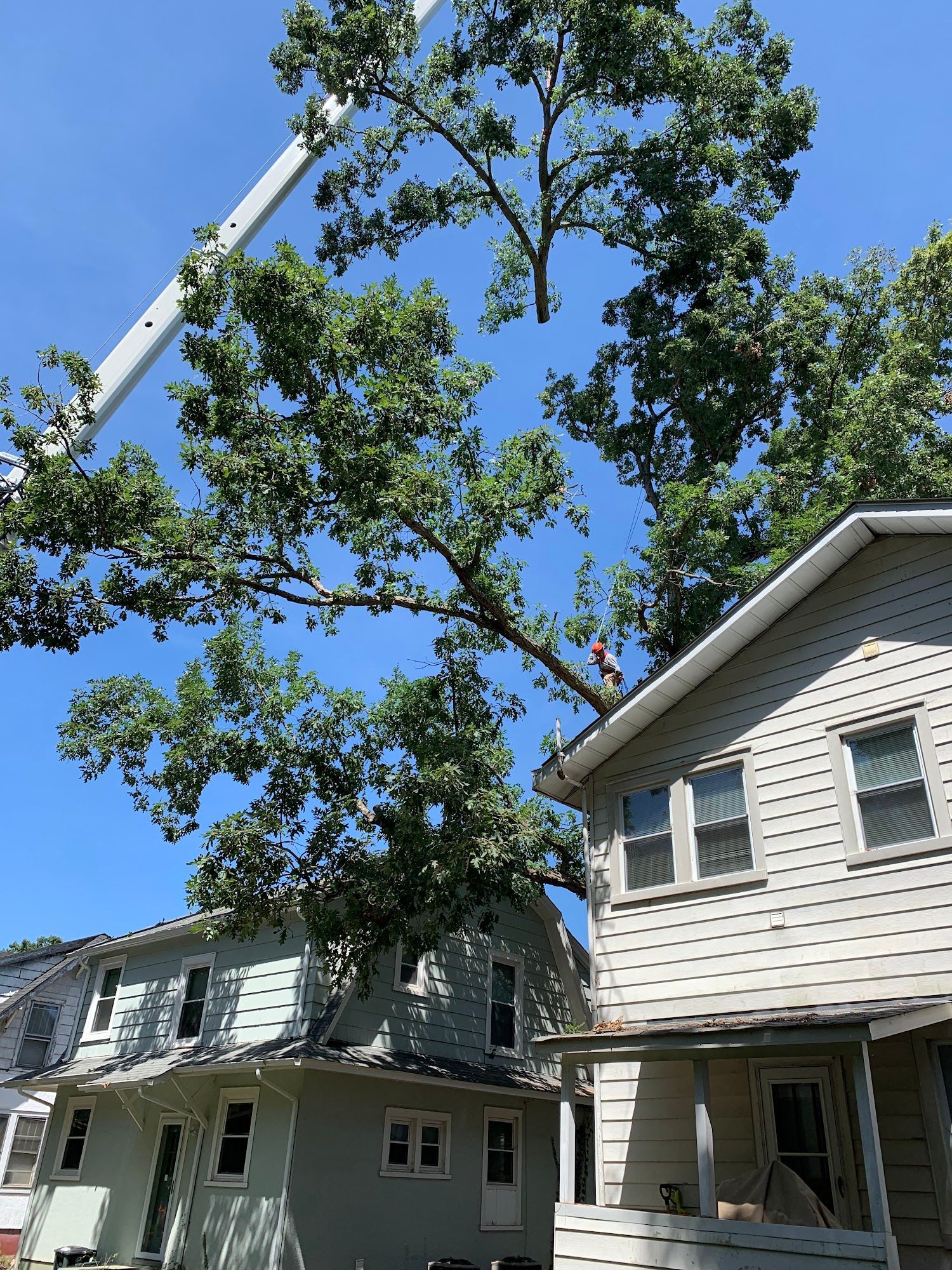
Overgrown branches scraping rooflines during windstorms, dead limbs hanging over driveways, and dense canopy growth blocking sunlight from lawns indicate trees that need structural correction before the next severe weather event. Tree trimming improves health, appearance, and structural integrity by removing dead, damaged, or overgrown branches that create hazards or interfere with property use. RMZ Tree Service LCC provides seasonal tree maintenance for residential and commercial properties throughout Madison Heights, addressing both immediate risks and long-term canopy development that affects how trees respond to ice loading and high winds common in central Virginia.
Proper trimming involves more than cutting back length—the process targets crossing branches that rub and create entry points for decay, water sprouts that grow vertically and catch wind load, and codominant stems that split under stress. Cuts are made at specific angles just outside the branch collar to promote rapid closure and prevent rot from advancing into the main trunk.
Schedule seasonal tree maintenance to address structural concerns before branches become large enough to cause significant damage during failure.
How Trimming Protects Trees and Property
Trimming begins with an assessment of canopy structure, identifying dead wood, hazardous overhangs, and branches that compromise the tree's ability to shed wind and ice without breaking. Removing weight from extended limbs reduces leverage forces that cause splitting at weak attachment points. The service also enhances sunlight penetration and airflow around landscapes, which reduces fungal growth on lower vegetation and improves turf health beneath previously shaded areas.
After trimming, you'll notice cleared space around structures, balanced canopy shape that sheds weather more effectively, and elimination of the scraping or tapping sounds that occur when branches contact roofing or siding during wind events. Regular maintenance prevents the need for severe corrective pruning later, which can stress trees and create excessive wound surfaces.
Timing matters for certain species—oaks are best trimmed during dormancy to reduce the risk of oak wilt transmission, while spring-flowering trees should be pruned after blooms fade to avoid removing next season's buds. Commercial properties benefit from scheduled maintenance that keeps sight lines clear for signage and lighting while maintaining professional appearance year-round.
Common Questions About Tree Trimming
Trimming decisions involve understanding growth patterns, seasonal timing, and how much removal actually benefits tree health versus weakening structure.
How much of a tree can be removed safely in one session?
Generally, no more than 25 percent of the canopy should be removed during a single trimming to avoid stressing the tree's ability to produce energy through photosynthesis. Severe pruning forces trees to use stored reserves for regrowth, which can weaken resistance to pests and disease.
What's the difference between trimming and topping?
Trimming involves selective branch removal that maintains natural canopy structure, while topping indiscriminately cuts main stems back to stubs, which causes weak regrowth, decay at cut sites, and increased long-term hazards. Topping is not a recommended practice for tree health or safety.
When should trees be trimmed in Madison Heights?
Late winter through early spring works well for most species—trees are dormant, wounds close quickly once growth resumes, and visibility is better without full foliage. Summer trimming is sometimes necessary to address storm damage or hazardous limbs that can't wait for dormant season.
How does trimming reduce storm damage?
Removing dead branches eliminates the most likely failure points during high winds, while thinning dense canopy areas reduces sail effect that catches wind and increases load on the trunk. Correcting weak attachments and reducing end weight on extended limbs lowers the likelihood of splits during ice storms common in central Virginia winters.
Will trimming improve fruit or flower production?
Selective pruning can redirect energy toward productive wood by removing water sprouts and suckers that consume resources without contributing to fruiting. Trimming also opens the canopy for better sunlight penetration, which improves bud development on interior branches.
RMZ Tree Service LCC completes trimming projects with attention to long-term tree health and property protection. Contact the team to develop a maintenance schedule that addresses current hazards and supports canopy structure for years ahead.